FACULTY OF THE ENVIRONMENT REVIVES THE LOST VILLAGE OF FUKOV
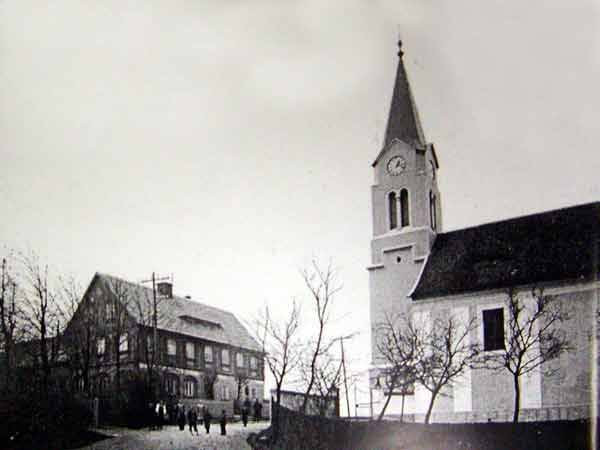
Imagine a place where 143 houses once stood, where hundreds of people lived and a church bell rang. Today, you will find only meadows, trees, and the River Spree. This is Fukov – a remote corner of the Šluknov Promontory. A village that was razed to the ground by the communist regime in 1960. Yet Fukov is returning. Thanks to modern technologies and a student of the Faculty of the Environment at UJEP, it is regaining its face.
In restoring the memory of this place, the faculty is working with the National Heritage Institute and the civic initiative Light for Fukov. The combination of history and cutting-edge geoinformatics, which brings the village’s original appearance back from virtual data, deeply moves local witnesses.
Virtual Resurrection
The central figure of the village’s digital restoration is student Nikola Matesová. As part of her master’s thesis, she aims to create a comprehensive digital reconstruction of Fukov, a task that requires meticulous work with data. “What I enjoy most is the connection between history and geoinformatics. Using historical sources, we can ‘bring this vanished village back to life’ and thus restore its memory,” says Nikola Matesová.
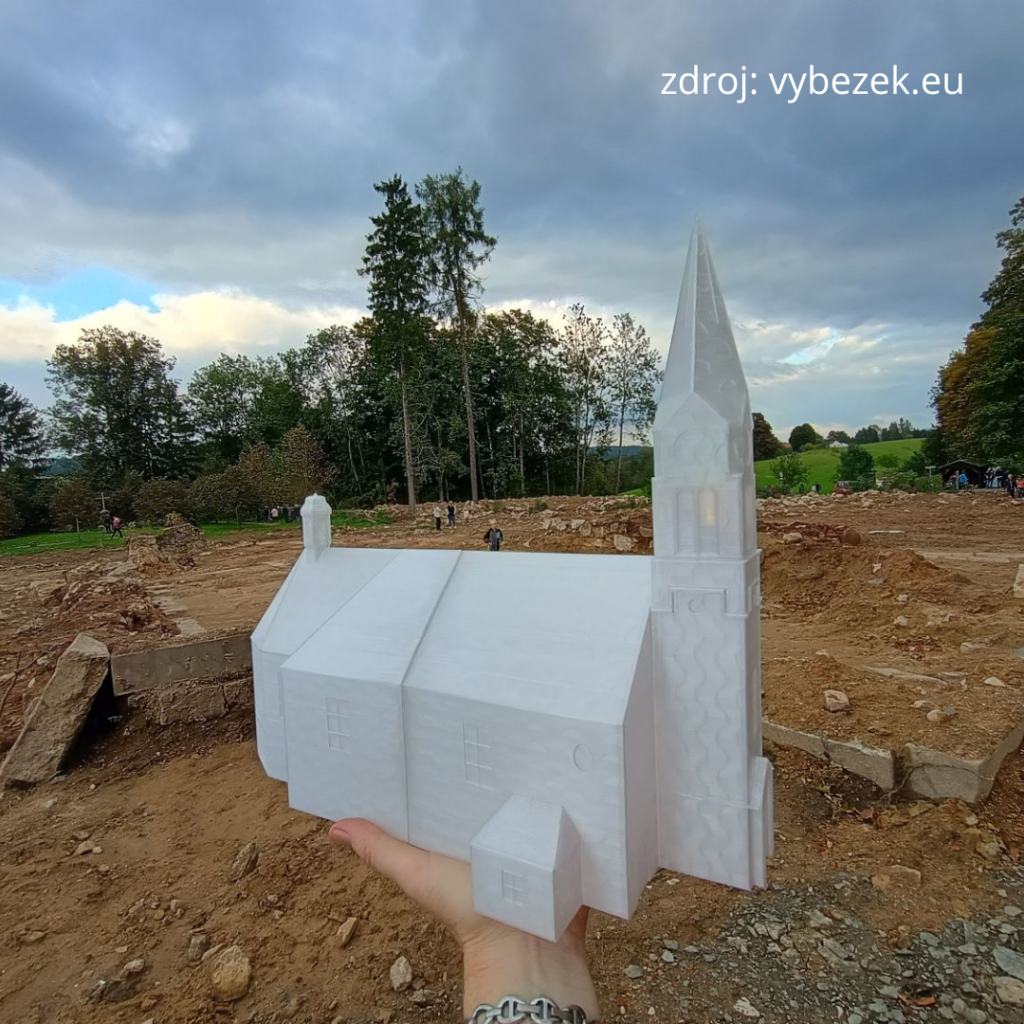
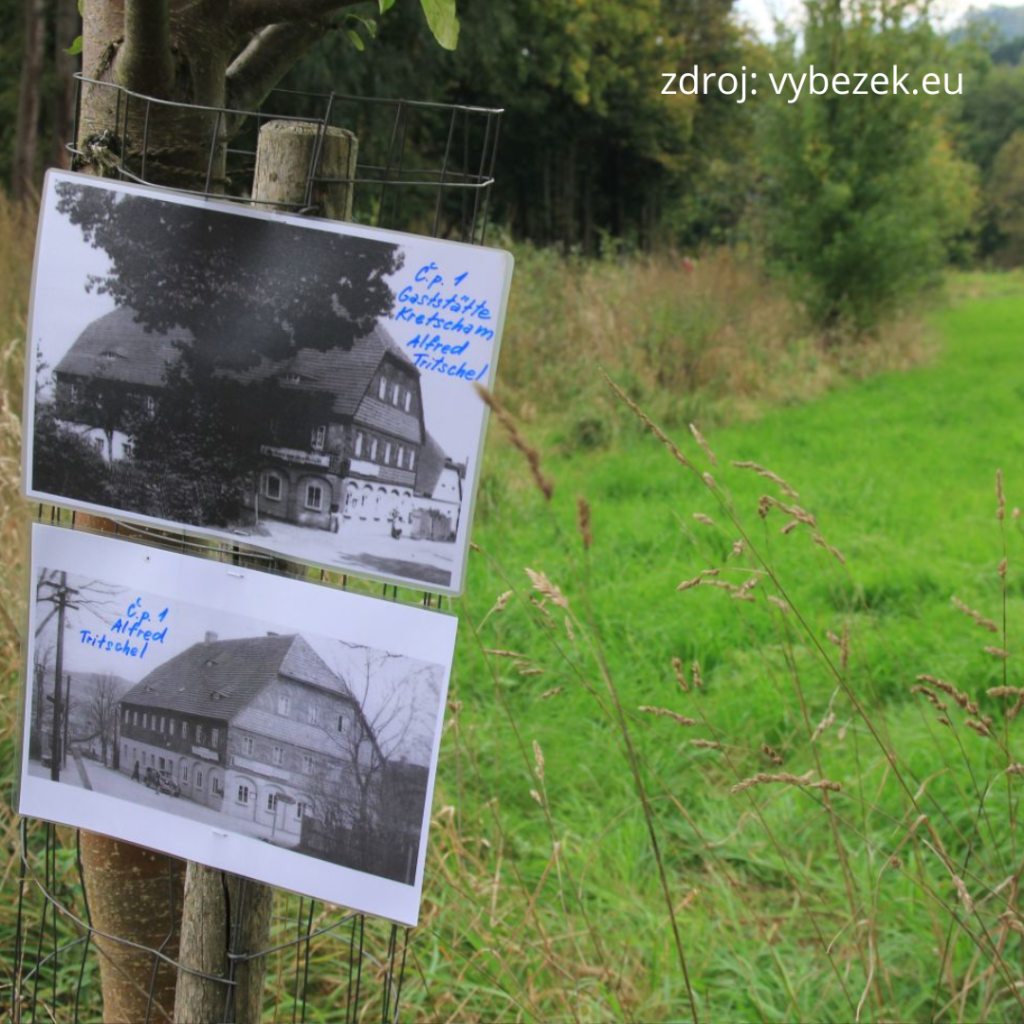
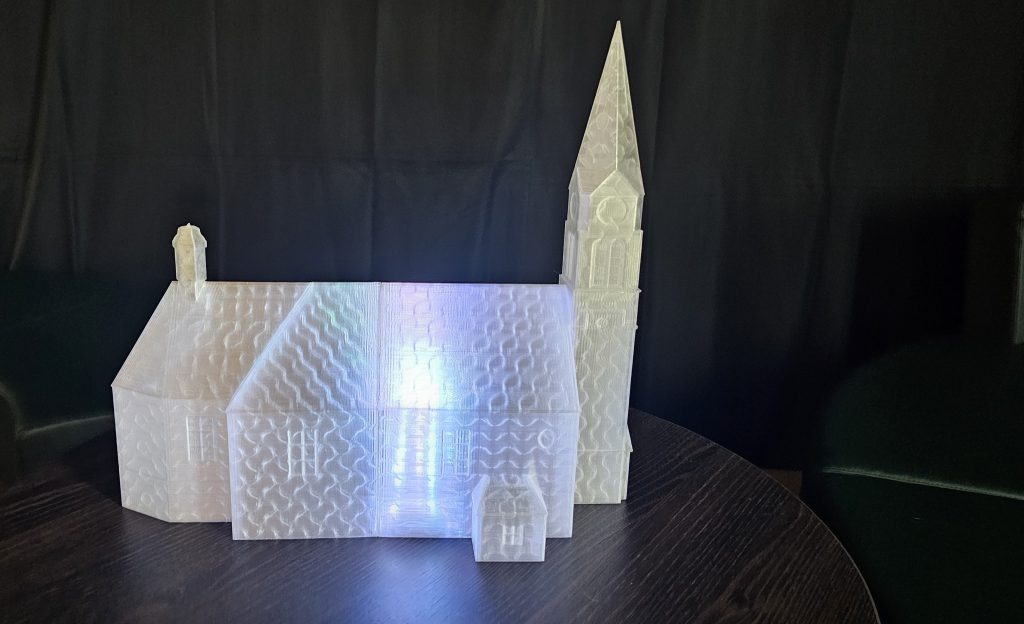
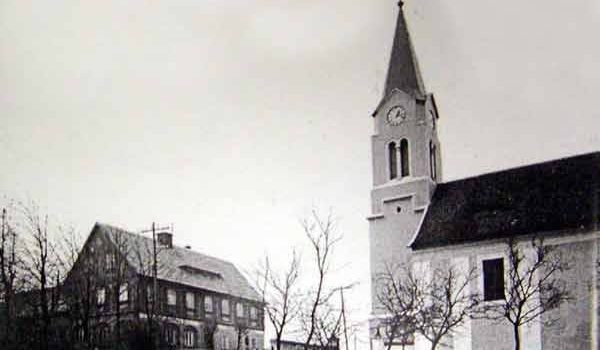
Nikola has created a 3D model of the Church of St. Wenceslas, which was blown up in 1960 as the last remaining building in the village. In the field, it is difficult to find traces of buildings, as the area is overgrown and the foundations are often covered with soil. Nikola therefore works with period photographs to document the original appearance of the buildings, especially roof shapes, window layouts, and façade designs.
Before the Second World War, Fukov was home to 739 inhabitants. In this fully self-sufficient village, 58 trades, five inns, and 20 shops were in operation. Fukov’s fate was sealed by the post-war expulsion of the German population in 1945–1946, after which the village was never fully resettled. Until then, Czechs and Germans had lived together in mutual harmony and respect, working and engaging in community life. The crucial turning point and the end came in 1960, when the regime decided on the village’s complete liquidation. The final demolition of the Church of St. Wenceslas and the school took place on 23 September 1960.
Technology That Sees Beneath the Surface
The search for foundations in the field is supported by modern remote sensing methods, supervised by Mgr. Jana Müllerová, Ph.D. She guides students to carry out historical analyses of landscape development using maps and other archival materials and to survey the remains left behind by the houses in the field. However, the goal is not only to model the church. “My idea is to create a kind of library of 3D objects of vanished historical buildings,” explains Jana Müllerová. The plan is to develop a virtual 3D visualization of the entire landscape, enabling a kind of walk through places that no longer physically exist.
Emotions You Can Hold in Your Hand
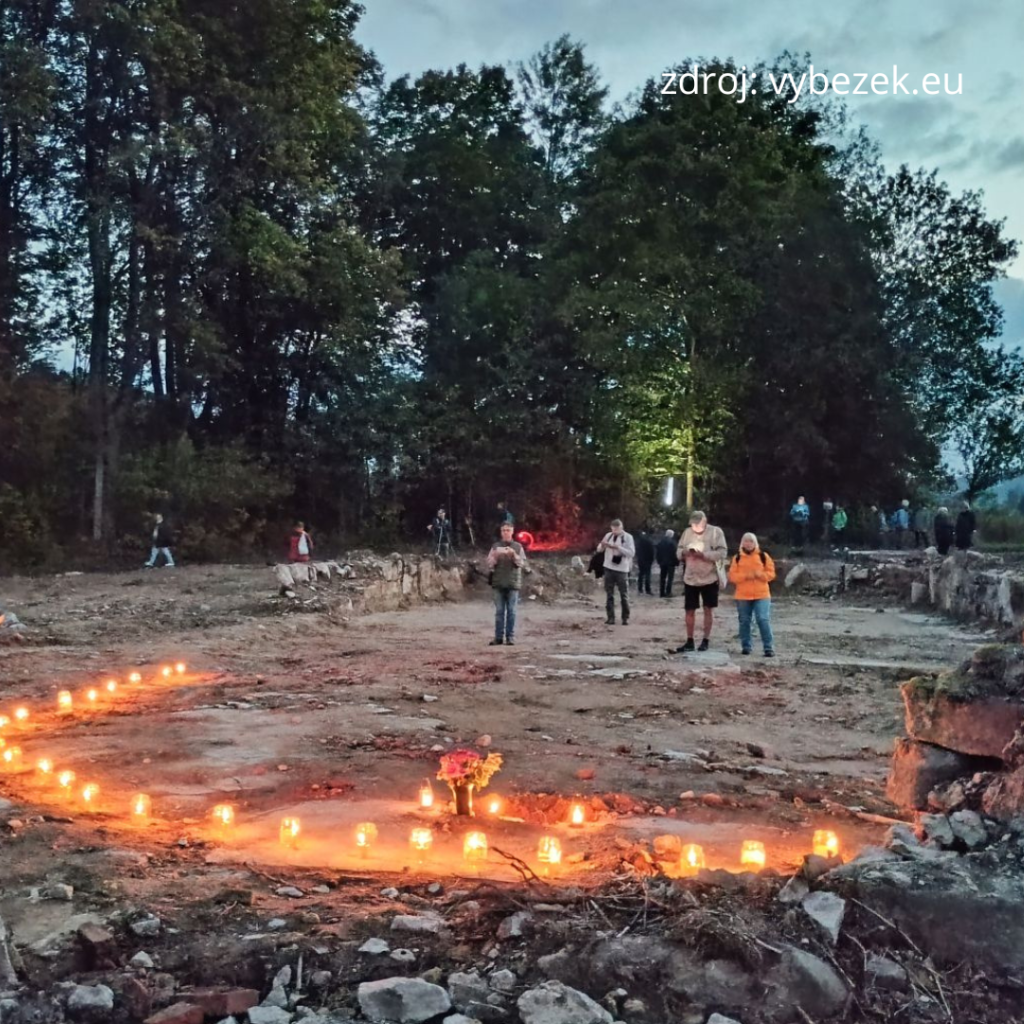
The powerful impact that student work can have on real life became evident at the recent Light for Fukov event, held to commemorate the 65th anniversary of the demolition of the Fukov church. It was here that Nikola Matesová’s translucent, illuminated model of the church was presented for the first time. The light emanating from the model after dusk perfectly symbolized the community’s effort to return a soul to a place that had long been left in oblivion. For witnesses, it was a deeply moving moment. “Holding a miniature of a building that I remember only from my childhood feels like traveling back in time,” said one of the witnesses on site.
Gabriela Jeřábková from the National Heritage Institute and a representative of the Light for Fukov initiative, who initiated the gathering, describes the atmosphere of the event as extraordinary: “The strongest moment of the meeting in Fukov for me was the sound of bells echoing through the evening Spree valley and the solitary lights at the sites of demolished houses. It was a feeling of togetherness, as well as a reminder of the grim events of 1960, when the last buildings in Fukov were destroyed by the Czechoslovak Army.”
What Comes Next?
The story of Fukov does not end here. The town of Šluknov has had the site where the church once stood cleared and its foundations uncovered. The Faculty of the Environment at UJEP continues its cooperation with the National Heritage Institute in mapping other buildings – not only landmarks such as the school or inns, but also ordinary houses.
Where to Discover Fukov
• Exhibition: An exhibition is being prepared for 2027, presenting the results of archival research and the work of the Faculty of the Environment, including the 3D models and visualizations of the vanished landscape.
• Light for Fukov: This commemorative and community event will be repeated next year.